


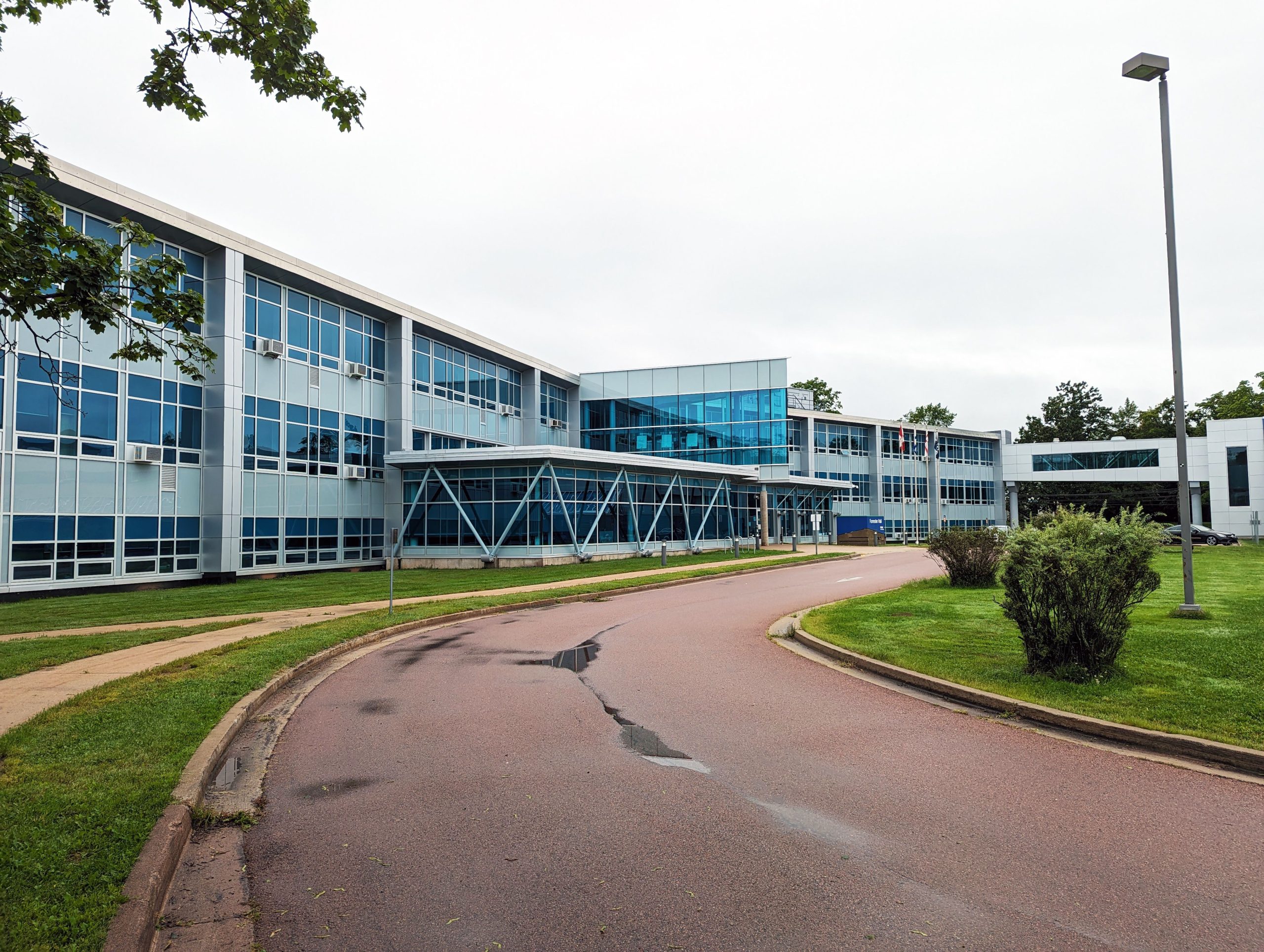
For a rural town in Kansas or Alberta, a K-12 school isn’t just an institutional building, it is the civic heart, the town square, and the social anchor. When the nearest convention center, movie theater, or banquet hall is an hour’s drive away, the school must step up to become a 24/7 multi-utility hub.
In this specific scenario, operable walls transform from a simple architectural feature into a vital piece of community infrastructure. Here is how dynamic zoning turns a rural school into the centre of activity for regional civic life.
The Rural Reality: One Roof, Many Roles
A rural community school must host everything from Friday night game day to Saturday morning farmers’ markets, Sunday morning services, and Tuesday night town halls. If that school is built with rigid, permanent walls, the town’s social lifeline is strangled by scheduling conflicts.
By integrating high-performance operable walls, the school can instantly shift its identity to support the social fabric of the community across three main categories:
1. Civic Gatherings and Town Governance
Rural towns rely on the school for public discourse, elections, and emergency management.
- The Town Hall: When a local co-op needs to hold an annual meeting or the county commissioners call a public hearing, they need space. An operable wall between the cafeteria and the main auditorium can slide away, instantly creating a massive civic chamber that might accommodate the whole town.
- Simultaneous Small-Scale Governance: On election night or during local committee meetings, that same massive space can be subdivided into three or four distinct, private meeting rooms. Local extension offices can run agricultural workshops in one section, while the 4-H club meets in the next, and the county election board counts ballots in a secure, acoustically isolated third zone.
2. Social Celebrations and Cultural Lifelines
In a small town, life’s major milestones—weddings, funerals, family reunions, and holiday banquets—happen at the school because it’s the only facility with a commercial kitchen and ample parking.
- The Weekend Banquet: A fixed cafeteria is awkward for a wedding reception or a veteran’s homecoming banquet; it looks and feels like a school. Operable walls allow the school to wall off the institutional serving lines, open adjacent music or drama rooms for a stage or dance floor, and create an upscale, cohesive banquet hall atmosphere.
- Acoustic Coexistence: On a Saturday night, the booster club can host a high-energy fundraising auction in one half of the divided gymnasium, while a quiet, intimate multi-family anniversary dinner takes place in the divided commons area right next door—separated by a high-STC wall that ensures the auctioneer’s gavel doesn’t drown out the family toasts.
3. Emergency Shelter and Economic Resilience
When extreme weather hits the plains, the rural school is often the designated disaster relief center.
- The Crisis Triage Center: If a tornado or severe winter storm knocks out power across the county, the school becomes a shelter. Operable walls allow emergency management to instantly configure the gymnasium or commons into distinct zones: a communal dining area, a quiet sleeping ward with dimmed lights, and private, partitioned medical triage rooms for the elderly and vulnerable.
- Serving Local Commerce: During the winter months, a divided gymnasium can open its walls to create a warm, indoor marketplace for a regional farmers’ market or a small-business craft fair, keeping local commerce thriving when the weather turns hostile.
The Ultimate Benefit: Keeping the Lights On Safely
The biggest barrier to opening a school to the public 24/7 is security and operational costs. A rural district cannot afford to heat, cool, and secure an entire K-12 facility just because the local historical society is meeting on a Thursday night.
Operable walls act as physical and environmental barriers. By strategically placing heavy-duty operable partitions across main corridors, the school can completely seal off the academic wings (elementary and high school classrooms) while leaving the gymnasium, commons, and restrooms open to the public.
This creates a “building within a building.” The community gets full access to their social hub, the school board protects student privacy and security, and the facility manager must only condition the specific zones being used.
Conclusion: The Backbone of the Community.
In rural architecture, rigidity is a death sentence for a building’s utility. If a town’s single lifeline can only perform one function at a time, the community’s social options are artificially restricted.
Operable walls ensure that the school changes as fast as the town’s needs do. It allows a single piece of public real estate to yield a 100% utilization rate, ensuring that the building is just as relevant at 8:00 PM on a Saturday as it is at 8:00 AM on a Tuesday. For a rural community, flexibility isn’t about convenience, it’s about survival.