


Trends come and go with the seasons. We see it constantly in commercial design, hospitality, and education. One year the industry goes all-in on completely open-concept floor plans; the next, there is a frantic rush back to high-walled cubicles and isolated rooms. Designing a footprint based purely on the trend of the day is a ticking clock. Eventually, the trend expires, the needs of the occupant’s shift, and you are left with an outdated, rigid space.
But style? Style is a completely different animal. As the timeless saying goes, “Style is never out of fashion.”
True style isn’t about chasing the latest fad. It is the perfect marriage of form and function—a seamless blend of aesthetic beauty and effortless utility that feels just as right twenty years from now as it does today. Nowhere is this balance more evident, or more necessary, than in the evolution of the modern moveable wall.
For decades, temporary space division was treated as a purely utilitarian afterthought. We all remember the vinyl-wrapped, accordion-style dividers of the mid-20th century. They weren’t meant to be stylish; they were meant to hide a folding chair storage area or awkwardly bisect a school or church Sunday school area. They were clunky, hard to move, visually unappealing & disruptive, and offered little more than a visual screen. Unsurprisingly, they quickly fell out of fashion.
Modern operable walls, however, are designed to elevate a room rather than just cutting it in half. The secret to keeping a wall timeless lie in hiding the engineering and letting the architecture shine. When a system looks temporary, it loses its style.
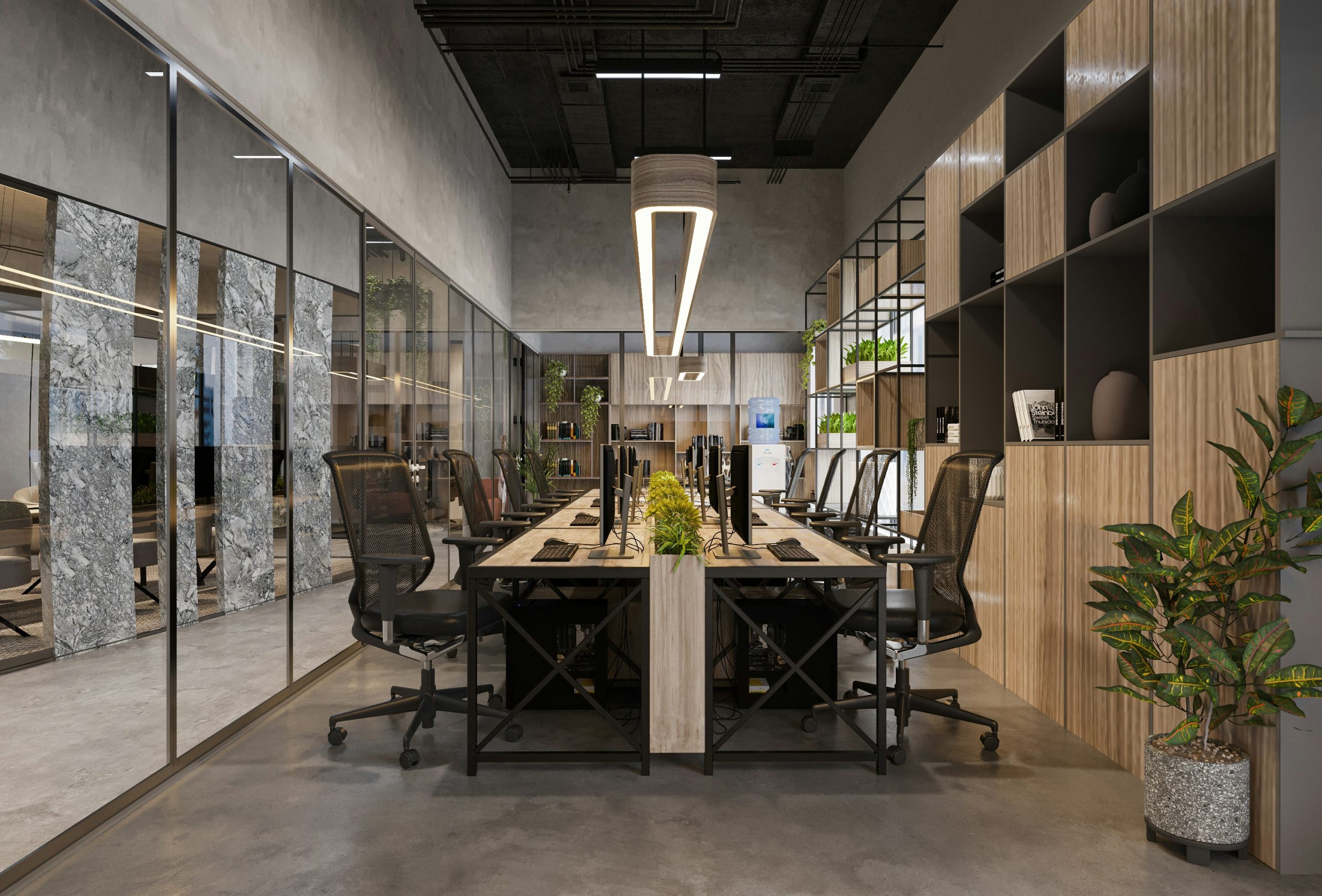
To achieve a truly permanent, built-in look, today’s designs rely on material integrity. Fads rely on synthetic novelty, but natural materials like architectural glass and rich wood veneers never age. Clean, flush-glazed glass partitions preserve sightlines and flood interior spaces with natural daylight, maintaining an open feel even when the panels are fully closed. When solid panels are required for privacy, matching the surrounding architecture with book-matched wood or minimalist textiles turns the wall into a striking feature element rather than a barrier.
Of course, nothing dates a system faster than bulky, visible mechanics. True style is disciplined. The most sophisticated modern systems feature ultra-slim profiles, minimal exposed trim, and completely concealed hinges. When closed, the panels align with absolute precision, showing nothing but clean vertical lines. With track systems recessed flush into and color coordinated with the ceiling and the floor completely uninterrupted (no floor track), the visual flow of the room remains entirely intact.
Furthermore, style is as much about how a space feels as how it looks. Straining against a heavy panel or listening to metal clatter down a track belongs to a bygone era. Modern and evolving systems move with a quiet, automated elegance. With the touch of a button or a smart assist, panels are now able to glide effortlessly into place and seal themselves with acoustic precision.
This brings us to the ultimate luxury of space division: sound performance. We often think of style as a purely visual medium, but in architecture, it is experienced with all senses. A wall can be wrapped in the finest finish, but if it fails to control sound, its design value plummets. Timeless operable walls back up their visual elegance with world-class acoustic engineering. High Sound Transmission Class (STC) ratings ensure that a confidential board meeting on one side isn’t interrupted by a lively presentation on the other. When a wall achieves total acoustic isolation without sacrificing its slim profile, it transcends being a simple product and becomes functional art.
Ultimately, layout trends will always fluctuate, shifting back and forth between collaborative zones and private sanctuaries. But a building designed around structural flexibility doesn’t have to choose.
By investing in clean lines, premium materials, and flawless acoustic performance, you create a space that gracefully accommodates whatever the future demands. You aren’t constantly remodeling to keep up with changing times; you are simply adapting the space you already have. Fads will inevitably fade away, but an operable wall built with timeless principles reminds us of a fundamental truth in design: trends are fleeting, but true style is never out of fashion.