


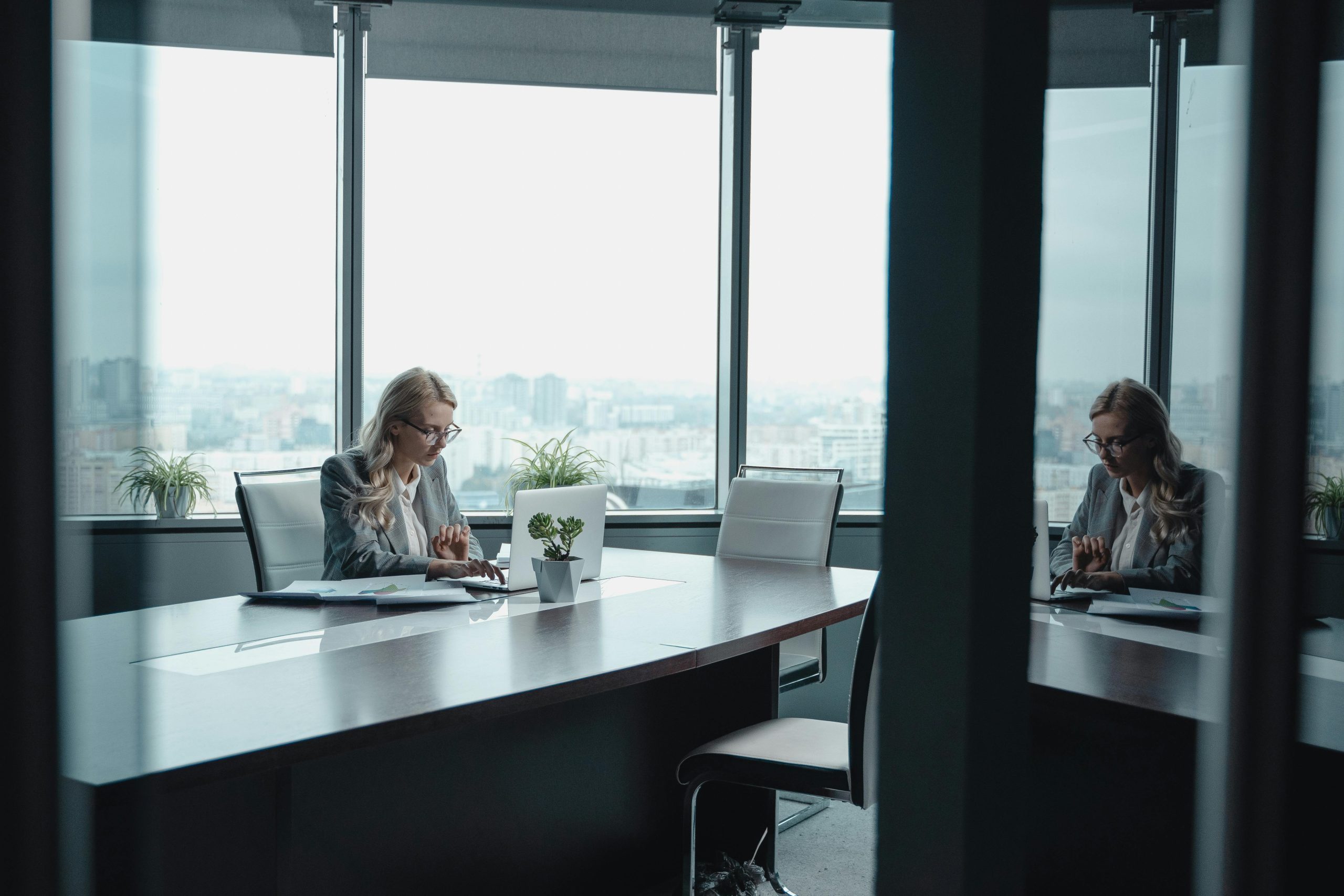
In the modern corporate landscape, the only constant is change. As organizations pivot between collaborative projects, heads-down focused work, and hybrid models, the rigid architecture of the past has become a liability. Movable/demountable wall systems have emerged not merely as dividing options, but as strategic tools for organization. By transforming static space into a responsive environment, these systems directly influence the three major requirements of a high-performing workforce: productivity, creativity, and mental health.
Spatial Agility and Functional Optimization
Movable walls allow for “on-demand” architecture. Rather than being confined by a floor plan designed years ago, teams can repurpose areas in minutes for specific and distinct functions.
- Maximizing Utilization: Large conference rooms can be split into smaller breakout zones, ensuring no space remains “dead” during the workday.
- Privacy on Demand: Moveable walls provide immediate acoustic and visual privacy for sensitive meetings or deep-work sessions, solving the primary complaint of the open-office era.
Acoustic Excellence and Cognitive Comfort
Noise is the leading cause of workplace distraction. Movable walls act as high-performance sound barriers.
- Sound Absorption: When integrated with acoustically perforated carpet, fabric, or perforated metal skins, they reduce decibel levels and echoes, facilitating clearer communication.
- Stress Reduction: By minimizing background “chatter” and auditory interruptions, the use of moveable walls may result in lowering cortisol levels, leading to a more pleasant, focused, and job-satisfying environment.
Aesthetics, Branding, and Talent Attraction
A workplace’s visual identity speaks volumes about its culture. Custom finishes—ranging from warm woods to sleek glass—create an environment where employees feel inspired rather than “processed.”
- The “Magnet” Office: A high-end, adaptable aesthetic helps in attracting top-tier talent who value modern, flexible work environments.
- Brand Alignment: Walls can serve as canvases for company colors or values, reinforcing a sense of mission for both employees and visiting clients.
Psychological Well-being and Inclusion
The psychological impact of “choice and control” cannot be overstated. When employees can adjust their environment, their sense of autonomy increases.
- The Power of Natural Light: Utilizing glass movable walls preserves “Daylight Autonomy,” ensuring that even those in the center of the building benefit from Vitamin D and regulated circadian rhythms.
- Universal Design: These systems promote accessibility by creating barrier-free transitions, helping organizations exceed ADA requirements and fostering a culture where every employee, regardless of physical ability, feels accommodated.
Long-term ROI and Sustainability
While the upfront cost of modular systems may exceed traditional drywall, the Life Cycle Cost is significantly lower.
- Futureproofing: As teams grow or shrink, the office evolves without the need for dusty, expensive, and carbon-heavy renovations.
- Zero Waste: Moving a wall creates zero landfill waste, whereas demolishing a fixed wall is environmentally taxing. This aligns with modern ESG (Environmental, Social, and Governance) goals.
Conclusion
The transition from “fixed” to “flexible” is no longer a luxury—it is a requirement for the resilient 21st-century workplace. Movable walls represent a rare intersection where fiscal responsibility meets human-centric design. By investing in an adaptable infrastructure, organizations do more than just save on renovation costs; they provide their greatest asset—their people—with an environment that respects their need for focus, honors their diversity, and inspires their best creative efforts.