
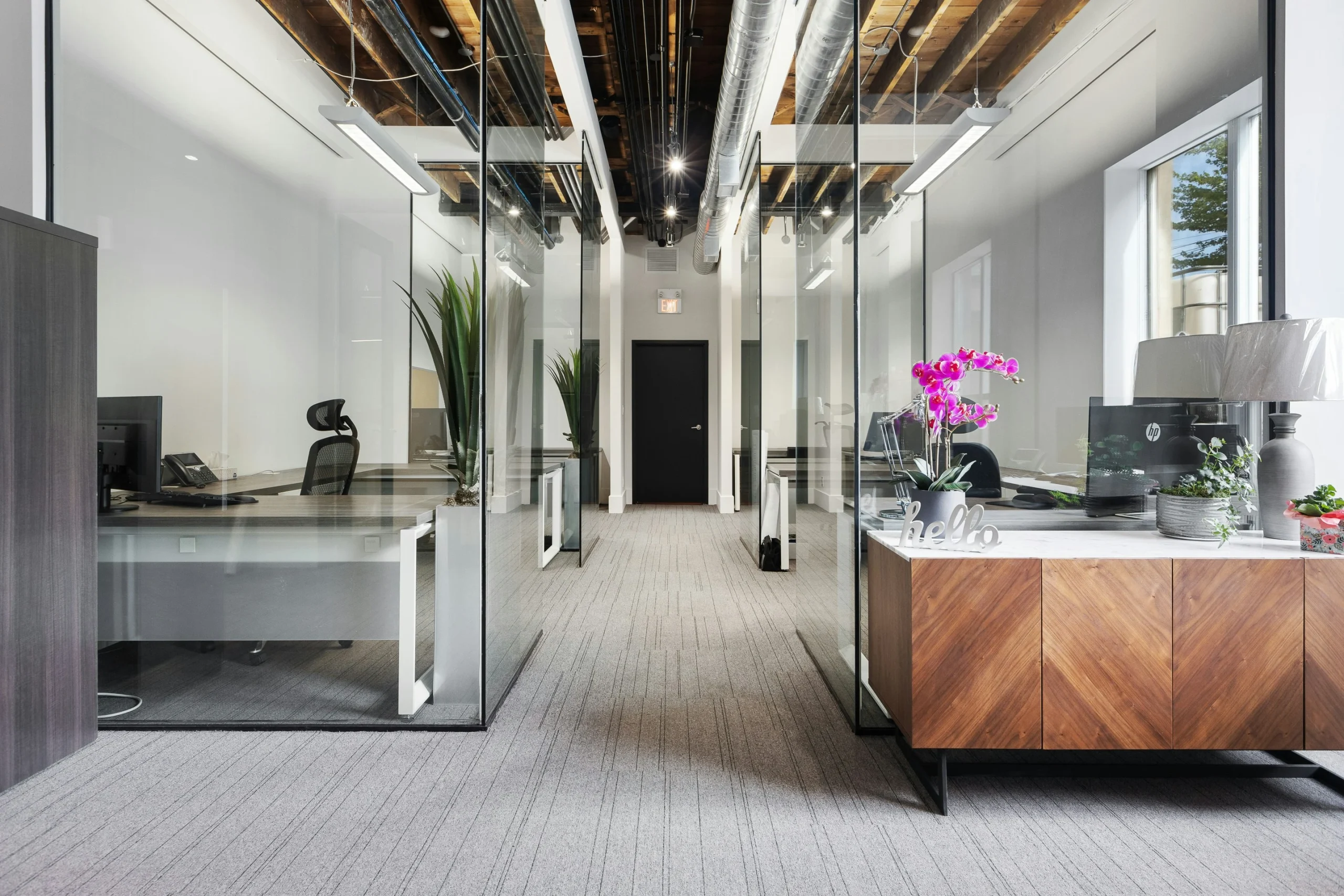
When you are standing in a hotel ballroom or a corporate boardroom, the walls may appear to be permanent, immovable fixtures of the room. But for the person responsible for the P&L statement, those walls are dynamic assets. In the world of high-end operable partitions and architectural systems, where such systems are used for profit making purposes there is a disconnect as to whether these systems are an expense or an investment. An expense is money gone; an investment is capital parked in an asset that is expected to perform, endure, and eventually pay for itself.
The Hidden Iceberg of the "Low Bid"
In procurement, the lowest bid is often the most expensive option you will ever choose. Think of the initial purchase price as the tip of an iceberg. It is the only part that is visible during the beginning phase of a project. However, beneath the waterline lies the bulk of the cost: maintenance, parts replacement, poor acoustics, and the devastating costs of unexpected downtime.
If a wall system in a convention center fails on Tuesday morning, it is not just a repair bill. It is a lost booking. It is a frustrated event planner who will not return next year. It is the labor cost of four facility managers struggling to manually move a jammed panel. When you factor in the "failure costs" of subpar acoustics or mechanical breakdowns, that 20% savings you secured during the bidding process evaporates in the first eighteen months of operation.
Longevity as the Ultimate Metric
When we talk about investment protection, we are talking about field-proven longevity. There is a proven comfort—and a financial certainty—that comes from choosing a system modeled after designs that have been in continuous use for forty years.
A product with a four-decade history is not just "old"; it is "refined." It means the problems in the track & trolley system have been ironed out. It means the acoustic seals have not just been evaluated in a lab but have survived thousands of cycles in the real world. This historical data is your best insurance policy. It moves the conversation from marketing promises to field proven evidence. If a model has survived the Reagan era and is still moving smoothly today, your five-year ROI projection looks a lot more like a sure bet and less like a gamble. In other words, if the name, reputation and experience of the manufacturer is beyond repute you would do well to ask about the product they propose to supply. How long has it been in continuous use? Is it new and is it a replacement for an existing proven product?
The Three Pillars of TCO (Total Cost of Ownership): Sound, Strength, and Savings
To understand TCO, you must look at how a field proven quality system pays you back daily:
- Acoustic Integrity: A cheap wall that leaks sound is essentially a very expensive curtain. If a guest in "Room A" can hear the keynote speaker in "Room B," the room is functionally broken. High-quality and proven acoustic seals and internal dampening design ensure the space remains rentable for any use. If the walls do not function acoustically the customers will not return.
- Operational Flexibility: Time is labor, and labor is money. A system that can be deployed by one person in ten minutes versus three people in thirty minutes changes the daily overhead of a facility. Fast and trouble free set up and take down is necessary and profitable.
- Energy Efficiency: We often forget that these walls divide & function as thermal barriers. In large-scale venues, the ability to effectively "zone" HVAC by using well-insulated, tightly sealed partitions can result in significant utility savings over the building's life. Moveable walls by their nature create climatic zones which can be controlled individually.
Recommendations for the Strategic Decision-Maker
If you are currently evaluating a system, do not just look at the quote. Look at the future. Here are the practical steps and questions you should bring to the table:
1. Ask the "Forty-Year" Question
Do not ask how long the warranty is (warranties are often limited). Ask for a list of installations in your region that are 15 or 20 years old. If the manufacturer cannot point to a "grandfather" installation that is still in use, you are field testing their product for them.
2. The "Parts and Labor" Reality Check
Inquire about the supply chain for replacement parts. Is the system modular? Can a single panel be repaired or replaced without extensive downtime or modifications. High-end systems are designed to be serviced, not replaced.
3. Evaluate the "User Effort."
Ask to physically operate a similar system. If it requires significant muscle or specific talent or methods to move, staff will abuse it. Abuse leads to breakage. A system that moves with ease is a system that will last because it will not be fought with every day.
4. Demand Independent Acoustic Verification
Marketing brochures love to throw around STC (Sound Transmission Class) ratings. Ask for independent, third-party lab reports. Better yet, ask for examples of field test data.
Matters to Consider: A Checklist for the Boardroom
- Lifecycle Costing: Ask your finance team to run a 10-year and 20-year analysis comparing a premium system vs. a budget system, including estimated maintenance and energy savings.
- The "Brand" Impact: Consider the cost of a negative guest experience. What is the value of your reputation for providing a premium, quiet environment?
- Futureproofing: Is the system adaptable? As technology changes, can the panels be retrofitted with new finishes or integrated tech without extensive and expensive modifications?
Conclusion: Investing in Peace of Mind
At the end of the day, a wall system is more than just a way to divide a room; it is a tool for revenue generation. When you prioritize quality and proven performance over the pull of a low initial price, you choose "peace of mind" as a line item.
The most successful companies are those who realize that they are not just buying hardware, they are buying decades of uninterrupted service. By focusing on the Total Cost of Ownership from Day One, you ensure that your facility remains a high-performing asset rather than a source of constant "hidden" headaches. Overall, quality is the only discount that matters.


