
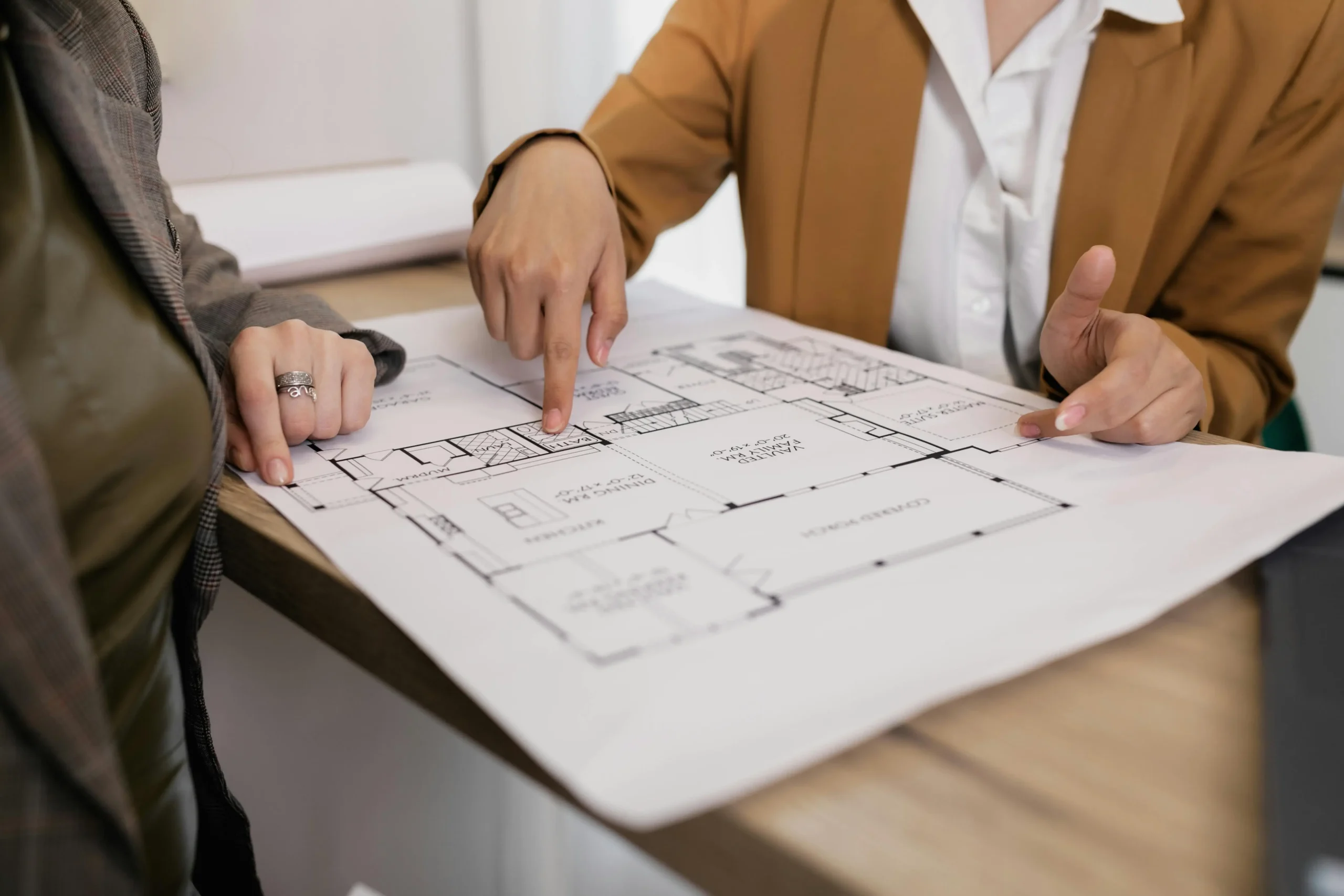
It is our experience that the use of moveable/operable wall/demountable systems, suggested locations for division and final usage are most often recommended to the building owners by a project Architect. Architects of course play a crucial role in the initial design and specifications, but input from the building owner/occupant is also vital to ensure that the movable/operable/demountable wall systems truly meet their needs and long-term goals. The owner should be involved in the need for, the selection of and the locations of any movable/operable/demountable wall systems. The Architect should be aware of the owner’s vision of the structure and determine whether a moveable wall system is even required.
Owner and Architect Involvement and Interaction
Going beyond simply approving the Architect’s suggestions, the owner should collaborate with the Architect in the following areas.
Defining Immediate Needs and Objectives
The owner and/or building occupants have the clearest understanding of their own needs and expectations regarding the division of the space. The owners should clearly articulate to the design team their needs & specific requirements for space flexibility, functionality, and the desired outcome.
Strategic Planning
It is essential to conduct discussions on the anticipated changes and development of the space over time – 5, 10 years down the road. These discussions can dramatically influence the selection of a system that offers flexibility for future adaptations.
Operational Preferences
There is an apparent preference these days for “automatic” wall systems (push a button and the panels move to their location) rather than manual wall systems (manually put the panels into their location). The pros and cons of each system should be carefully examined, especially when it comes to maintenance and service as well as initial and long-term costs. Consider ease of use and storage.
Budgetary Considerations
Different systems with varied options have different costs. Owners need to understand the cost implications of different systems, acoustic qualities, finishes, operation, maintenance etc. A cost-benefit analysis should be conducted based on the needs of the building owner and/or occupant.
Aesthetic Considerations
The Architect will guide the overall aesthetic of the entire building including the movable wall systems. But the owner should have some input as to the wearability of any wall covering materials, maintenance required and appearance as it pertains to company branding.
Architect Questions for the Owner
- The Architect prior to selecting and specifying an operable wall system that meets the owner’s needs should as a minimum ask the owner the following.
- Do you need an operable wall system? What are the primary reasons (flexible meeting rooms, acoustic and visual privacy, dividing large assembly areas etc.)?
- How frequently do you believe that you will relocate the wall systems?
- Who will be responsible for relocating & maintaining the movable wall systems?
- What types of activities will occur in the divided spaces? Quiet meetings? Amplified noise? Gatherings with highly active individuals?
- Are there any specific layout configurations that are critical for the functionality of the space?
- Is there any need for the movable wall systems to be integrated with other building systems such as lighting, HVAC, or fire suppression?
- What accessibility (ADA) requirements that need to be considered for operation and clearances
- Do you see the need to design a system that will accommodate future changes in configuration of the panels?
- What level of sound isolation is required between the subdivided spaces? Will any noise sensitive meetings be happening?
- Describe what types of meeting may take place and the acoustic performance targets or requirements. What STC value is required?
- Do you have any specific aesthetic desires for the wall finishes? Type of covering material. Standard. Custom.
- Do you have any thoughts on panel and finish durability, maintenance?
- What is overall budget allocated for the movable wall systems?
- What are your thoughts and expectations for the lifespan and durability of the movable wall systems?
Owner Questions for the Architect
- Why is the wall system and manufacturer you have chosen being recommended for our needs? What are advantages and disadvantages of the system and manufacturer as compared to other available systems?
- What are the acoustic qualities (STC) of this system? Will this STC value meet our sound isolation requirements?
- What are the available finish options? What are their durability and maintenance characteristics?
- Do you recommend a manual or electric system? And why?
- Is the system capable of being operated by our personnel? Will training in the operation, care and maintenance of the system be provided?
- Where will the panels be stored when not in place? What will that storage area look like?
- How does the proposed wall system integrate with the building? The support system? Deflection? The ceiling? The floor? The lighting and HVAC system? The walls at either end of the system?
- What is the warranty?
- Can you provide references for the proposed system? Are there any systems installed nearby that can be viewed and operated?
- What is the estimated installed cost of the operable wall systems? Do you see any potential additional costs?
Conclusion
A collaborative approach between the Design Team and the owner is essential for successful movable wall system installation. The owner’s active participation ensures that the product meets the technical requirements and aligns with the functional needs, budget, and long-term vision for the space. By asking the right questions and providing the design team with clear input, owners can significantly contribute to a movable wall system that enhances the utility and value of their property.


