
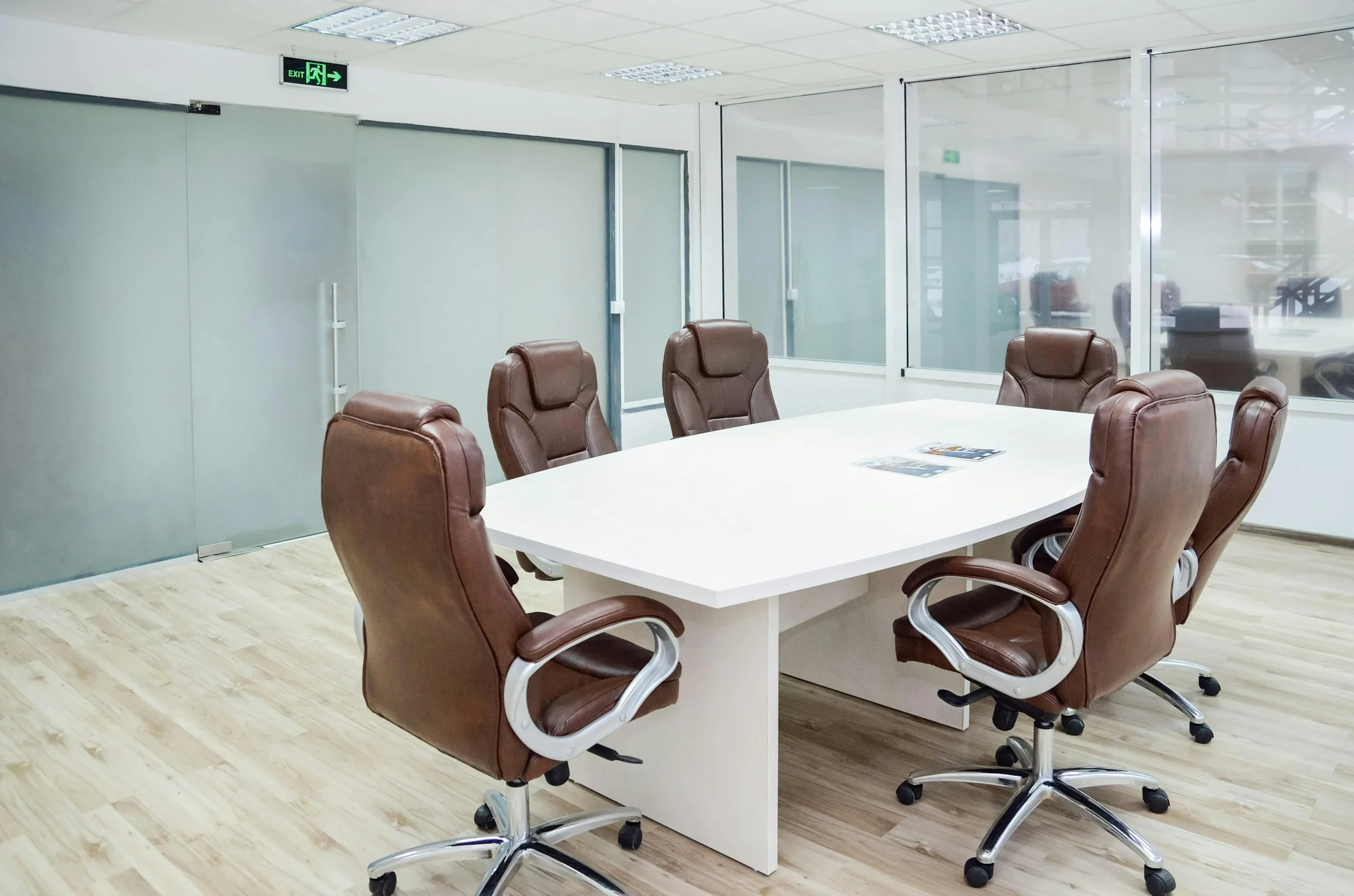
Movable and operable walls have rapidly transformed from simple room dividers into sophisticated, technologically integrated systems. This evolution marks a meaningful change in their purpose and how they are perceived. Today, these walls are considered architectural solutions that actively optimize space, boost productivity, ensure privacy, and enhance overall operational efficiency. They are now fundamental to modern design strategies, directly impacting business outcomes and user experiences.
This progression has been driven by customer demand and the initiative-taking innovation of leading manufacturers. The advanced engineering of modern movable walls is particularly evident in their continuous improvements in acoustics, aesthetics, ease of use, and seamless integration with building structures.
Acoustics: Mastering Sound Control & Technology
The acoustic qualities of a movable/operable wall are the most important consideration, second only to price. The effectiveness of a movable/operable wall in preventing sound transmission is indicated by its STC (Sound Transmission Class) number. Independent acoustic laboratories based on a specific test procedure (ASTM E90) conduct laboratory sound testing across a frequency range of 125 Hz to 4000 Hz. The E90 test results are then transformed into a single number (STC) using ASTM E413 procedure. The higher the number, the better the partition can stop sound. Not too long ago an STC in the mid 40’s was the standard with an STC of 50 considered almost unattainable. But now due to the investments & efforts of manufacturers’ R & D departments and working with acoustic laboratories and acoustic engineers, STC values of 52 to 56 are the norm. New lighter materials, minimum panel thicknesses, isolation of skins from frames, new methods of attachment, improved perimeter acoustic sealing systems are only some of the methods that today’s progressive manufacturers employ to increase a panels STC number while maintaining cost effective products.
Materials and Design
Modern acoustic technology, including materials used, has advanced to a point where even glass movable walls can offer sound separation with STC’s up to 51. Glass wall STC’s of 44 & 45 are common. Constant manufacturer research into finding lighter, stronger, sustainable materials used in the manufacture of conventional moveable walls is constantly taking place. Extruded high strength aluminum frames are lighter than steel but not as cost effective. The composition of panel skins, often a combination of gypsum board and steel sheet in various combinations will provide various STC values and resistance to impact. The panel cavities are filled with varying sound absorbing high density acoustic materials based on STC panel design. Panel perimeter acoustic sealing systems are provided with the choice depending on panel dimensions, STC, building tolerances, ease of operation and cost. There are several sealing system choices available from all manufacturers.
Aesthetics and Appearance
Manufacturers realize that movable walls are not merely functional, they are integral design elements that will enhance the overall aesthetics of a space and must seamlessly integrate with existing interior designs. Their versatility allows for extensive customization, offering designers a broad palette of materials, finishes and styles to create visually stunning and functional environments. Panel coverings are almost limitless, encompassing a wide array of materials and finishes. Wood, glass (frosted, clear, patterned etc.), fabrics, carpets, vinyls, metal, laminates, graphic murals, artistic landscapes, stainless steel, white marker boards are only a few of the available options. Originally moveable walls were like the original Ford Model T – you can have any color you want as long as its black. Not any longer. Material suppliers working with manufacturers have developed the ways and means to apply almost any product a customer or designer may want to a movable wall system.
Walls are therefore capable of becoming a strategic design element within a building, creating a connection to a space’s brand identity. Environments that are not only adaptable but also inspiring and reflective of an organization’s values.
Ease of Movement and Operation
Movable wall systems are dynamic elements. They do not just sit there – they move. The practicality of movable walls are heavily influenced by their means of relocation – manual or electric – thus balancing convenience with reliability.
Movable wall systems typically operate manually or by means of some form of electric operation. Each has their distinct advantages and considerations, both of which are being continuously improved based on consumer demands and the resulting reaction by manufacturers. Manual systems require physical effort to move panels into place so must utilize light materials along with precisely engineered track and trolley systems. They are considered more dependable and cost effective, offering greater flexibility in terms of alternate panel locations and remote stacking configurations. Manufacturers have developed special track and trolley systems along with special switches to navigate panels to their final desired locations.
Electric systems offer effortless operations allowing panels to be deployed with the push of a button or turn of a key switch. They are significantly faster (about 33 feet per minute) than compared to manual (about 14’ per minute) to set up. Electric systems are more expensive than manual and maintain due to complex operating components like motors, cables, clutches, and motors and in the case of auto systems, servomechanisms, and keypad control units.
Modern movable wall systems, manual or electric, incorporate advanced engineering to ensure functionality and user convenience. Smooth gliding panels of track systems, locking mechanisms, sophisticated acoustic sealing systems that are common to all manufacturers are available because of an industry commitment to provide the best systems possible at the most cost-effective price levels.
In conclusion all movable wall manufacturers are committed to providing quality precisely engineered products that meet the ever changing needs and demands of consumers. And the quest for lighter, improved acoustics, aesthetically pleasing and overall better systems will continue.


