


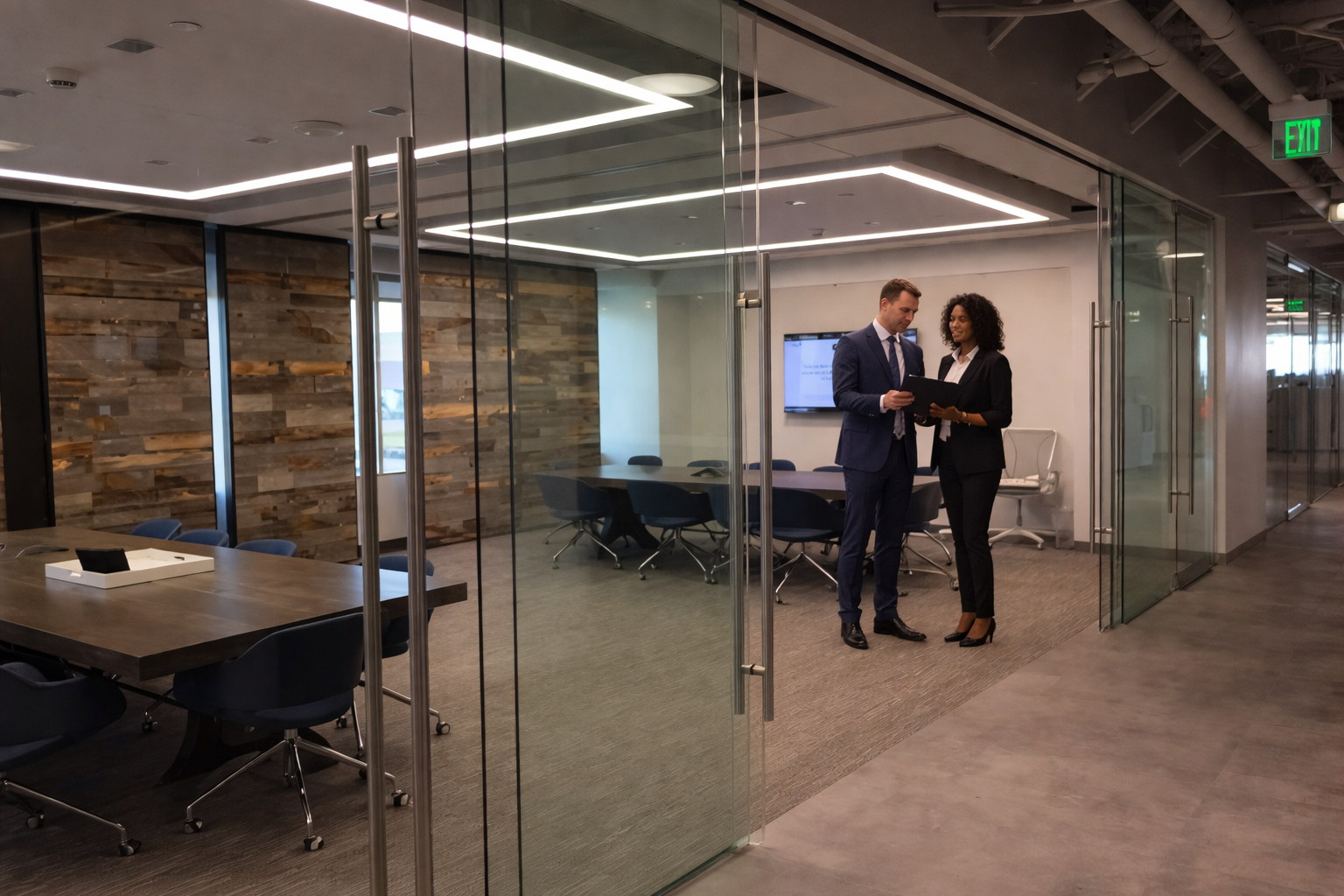
1. Flexibility and Space Optimization: A paramount concern for end-users is the ability to quickly and effortlessly reconfigure spaces. Operable walls allow for the rapid division or expansion of areas in minutes, maximizing space utilization and adapting to evolving needs. This includes the transformation of large halls into multiple classrooms, meeting zones, or event spaces, directly impacting the efficiency and revenue potential of a facility.
2. Acoustic Control and Privacy: The ability to manage sound effectively is crucial for creating private meeting areas, quiet workspaces, and minimizing noise transfer between divided spaces. High STC ratings are particularly important for ensuring confidentiality in sensitive environments like legal offices or healthcare facilities.
3. Ease of Operation: Simplicity and speed of operation are highly valued for daily use.
- Manual Systems: These are basic, cost-effective solutions using overhead track, rollers, and hinges. Panels are manually pushed or pulled along the track and locked into place, often with a key-activated mechanism for seals.
- Semi-Automatic Systems: These offer a balance between manual and automated operation. Panels are moved manually, but an automated mechanism, often powered by an electric motor or a drop-down seal, efficiently seals them shut, eliminating the need for hand-operated cranks for sealing.
- Electric/Automatic Systems: Represent the most advanced option, offering effortless setup through fully-automated electrical operation via push-button or touchpad controls. These systems can extend and retract panels as one complete unit (continuously hinged) or allow for individual panel programming for custom configurations. They incorporate state-of-the-art safety systems, such as integrated monitoring that stops and reverses panels upon contact with an obstacle. Smart control systems allow trolleys to communicate their location, enhancing precision, and manual override is typically available in case of power failure.
4. Aesthetics and Design: Operable walls are expected to be integral design elements that enhance the visual appeal of a space, rather than merely functional dividers. They should integrate seamlessly into professional environments, offering a sleek, modern aesthetic. A wide array of finishes and materials, including vinyl, carpet, fabric (including acoustically transparent and sustainable options), high-pressure laminate (HPL), genuine and imitation wood veneers, paint, full-height marker/tack boards, and customer’s own material (COM), allows for extensive customization to match or enhance existing décor. Glass options, such as frameless (for maximum transparency), framed (for higher STC), and framed with mullions, provide natural light and elegance. Advanced features like switchable smart glass, which can turn opaque at the push of a button, offer dynamic privacy control and contribute to unique design elements.
5. Cost-Effectiveness and Long-Term Value: While initial purchase price is a consideration, end-users increasingly focus on the long-term value derived from durability, superior soundproofing, operational flexibility, and energy efficiency. Flat panels are often the most cost-effective initial option. The emphasis shifts from upfront expense to the total cost of ownership and return on investment over the product’s lifespan.
6. Energy Efficiency: Operable walls can contribute to significant energy savings by allowing spaces to be divided into separate zones that can be heated or cooled independently, optimizing climate control and reducing utility costs. Glass walls, in particular, maximize natural daylight penetration, thereby reducing the need for artificial lighting and further contributing to energy efficiency.
7. Safety: Modern operable walls are designed with integrated safety mechanisms, including collision sensors, self-leveling systems, and emergency unlocking options, ensuring secure and accident-free operations for daily users.
8. Maintenance and Repair: Ease of maintenance, including routine cleaning and lubrication of moving components, is important for ensuring the longevity and proper functionality of the system.4 The availability of professional repair services for common issues like stuck panels, broken seals, or worn carriers is also a key consideration for minimizing downtime and preserving the investment.
For end-users, the value proposition extends significantly beyond the initial purchase to encompass the total cost of ownership. This includes reduced operational expenses stemming from energy savings and minimized labor due to automation, as well as fewer repair needs resulting from product durability. The ability of operable walls to adapt to future needs also safeguards their investment. Therefore, highlighting comprehensive warranties and readily available service plans is crucial for this audience. The emphasis on sleek aesthetics, unlimited design options, and the ability to impress clients suggests that operable walls are not merely functional dividers but integral contributors to the overall user experience and a space’s brand image. Sales efforts should leverage visual storytelling, such as high-quality photos and videos, and client testimonials to demonstrate how these systems create inspiring, productive, and aesthetically pleasing environments, rather than just dividing rooms.