


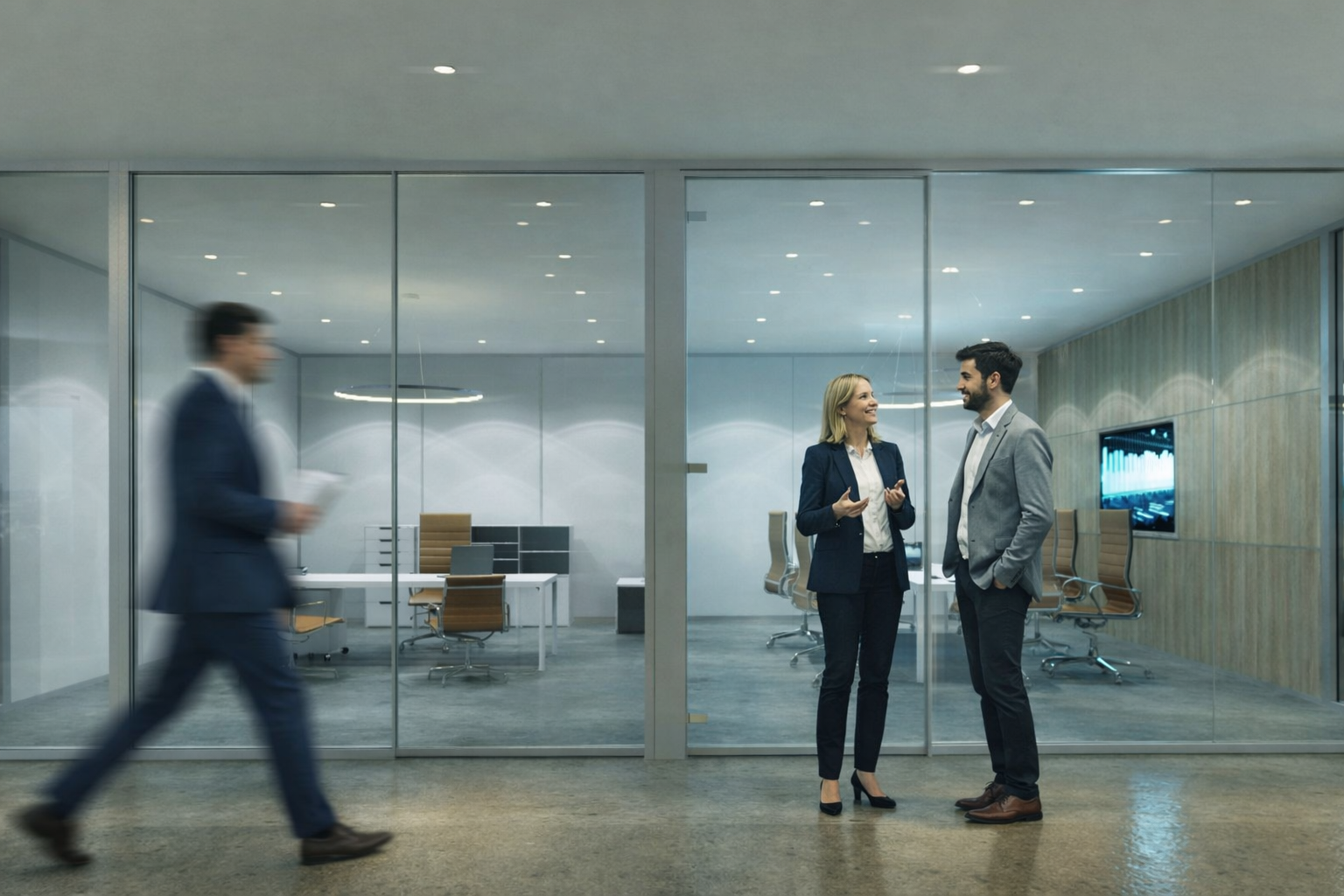
What is Sustainable Space Division?
Sustainable space division is the practice of designing, manufacturing, installing, and maintaining movable wall systems to minimize environmental impact, conserve operational energy, and extend product lifecycles while enhancing indoor environmental quality. In modern green building design, operable partitions contribute directly to material conservation, carbon footprint reduction during freight transit, HVAC thermal zoning, and landfill diversion through modular repairability.
What Are the Core Environmental Pillars of Operable Partition Systems?
1. Structural Framing Metallurgy: Aluminum vs. Welded Steel
- Panel Frame Recyclability: Extruded architectural aluminum alloy (such as 6063-T6) used as panel framingis 100% recyclable at the end of its building lifecycle without degradation of mechanical strength. Welded steel frames with panel skins welded to the frames cannot be separated cleanly during demolition, resulting in significant landfill waste.
- Freight and Fuel Savings: Structural aluminum frames match roll-formed steel channel frames in structural deflection resistance and certified ASTM sound transmission loss while reducing total panel deadweight by 15% to 25%. Lower panel weight directly reduces shipping weight, fuel consumption, and transport emissions from the factory to regional jobsites.
- Reduced Structural Wear: Lighter panels place less physical deadweight on overhead structural steel, header framing, and carrier trolley bearings, increasing system operational lifespan and preventing premature mechanical replacement.
2. Design for Disassembly: Field-Replaceable Skins vs. Total Panel Replacement
- The Disposable Panel Problem: Welded steel or permanently glued panel skins create significant material waste. When a panel face is damaged by a hospitality service cart, forklift, or school desk, the entire 300-to-500-pound panel is not field repairable It must be removed, crated, trucked away, discarded, and replaced with a new panel.
- Modular Mechanical Protective Edge Trims: Advanced engineering secures panel outer faces with mechanical perimeter edge trims rather than permanent structural welds or structural adhesives.
- Rapid On-Site Servicing: Damaged panel faces can be removed and replaced on-site. The panel with the damaged skin is removed from the track, partially disassembled, the damaged skin easily removed and then replaced in a very short period of time.
- Preserving Raw Materials: On-site face replacement preserves the complete structural frame, acoustic mineral wool core, internal scissor-jack drop seals, carrier trolleys, and overhead track, eliminating the embodied carbon and material waste of manufacturing a replacement panel.
3. Operational Energy Efficiency & Indoor Air Quality
- Thermal Zoning and HVAC Load Reduction: High-density acoustic mineral wool batts and multi-finger mechanical perimeter seals double as effective thermal barriers. When large spaces (such as convention centers, hotel ballrooms, and religious sanctuaries) are subdivided, partitions prevent conditioned air from circulating into unoccupied spaces, lowering daily heating and cooling energy use.
- Low-VOC Indoor Air Quality: Utilizing certified low-VOC finishes, water-based adhesives, and formaldehyde-free substrates protects indoor air quality and safeguards occupants from hazardous off-gassing in schools, conference rooms, and healthcare environments.
- Natural Daylighting: Incorporating acoustically rated movable glass wall systems introduces natural sunlight into interior floor plates, reducing artificial lighting energy consumption while maintaining speech privacy.
4. Clean-and-Dry Overhead Track Mechanics
- Elimination of Petrochemical Greases: Roll-formed steel tracks carrying heavy steel panels often require heavy lubrication with lithium greases to prevent metal-on-metal galling. This grease attracts airborne dust, drips onto carpets, and produces volatile odors.
- Dry Track Operation: Precision-extruded architectural aluminum tracks equipped with self-lubricating polymer-tired or steel radial trolleys run completely clean and dry. This eliminates chemical solvents, liquid lubricants, and airborne contaminants from ceiling plenums and occupied rooms.
Frequently Asked Questions (FAQ)
How do operable partitions contribute to LEED certification?
Operable partitions contribute to multiple LEED credit categories:
- Materials and Resources: Sourcing systems with recycled aluminum content, regional extraction/manufacturing, and assemblies engineered for disassembly (field-replaceable face skins).
- Indoor Environmental Quality: Utilizing certified low-VOC adhesives, sealants, and wallcoverings, alongside acoustic performance design meeting sound isolation standards.
- Energy and Atmosphere: Providing thermal zoning that reduces heating and cooling energy in partially occupied meeting halls.
Are aluminum-framed operable walls as acoustically effective as steel walls?
Yes. Independent testing verified in NVLAP-accredited laboratories per ASTM E90 and ASTM E413 confirms that structural extruded 6063-T6 aluminum frames achieve certified ratings up to STC 55, matching welded steel frames while weighing 15% to 25% less.
Why is field-serviceable face skin design critical for sustainability?
In traditional welded steel panels, surface damage requires unhanging and discarding the entire multi-hundred-pound panel assembly into a landfill. A mechanically retained face skin allows maintenance staff to replace only the damaged outer skin on-site preserving 90% of the panel’s raw material mass.
Technical Standards & Environmental References
- CSI MasterFormat Section 10 22 26: Operable Partitions
- ASTM E90: Standard Test Method for Laboratory Measurement of Airborne Sound Transmission Loss of Building Partitions and Elements
- ASTM E413: Classification for Rating Sound Insulation
- ASTM E557: Standard Guide for Architectural Design and Installation of Operable Partitions for Acoustic Performance
- ASTM B221: Standard Specification for Aluminum and Aluminum-Alloy Extruded Bars, Rods, Wire, Shapes, and Tubes
- ASTM E84: Standard Test Method for Surface Burning Characteristics of Building Materials
- ISO 14040 / ISO 14044: Environmental Management — Life Cycle Assessment Principles and Framework
- CDPH Standard Method v1.2: California Department of Public Health Specification for Low-VOC Indoor Air Quality Testing